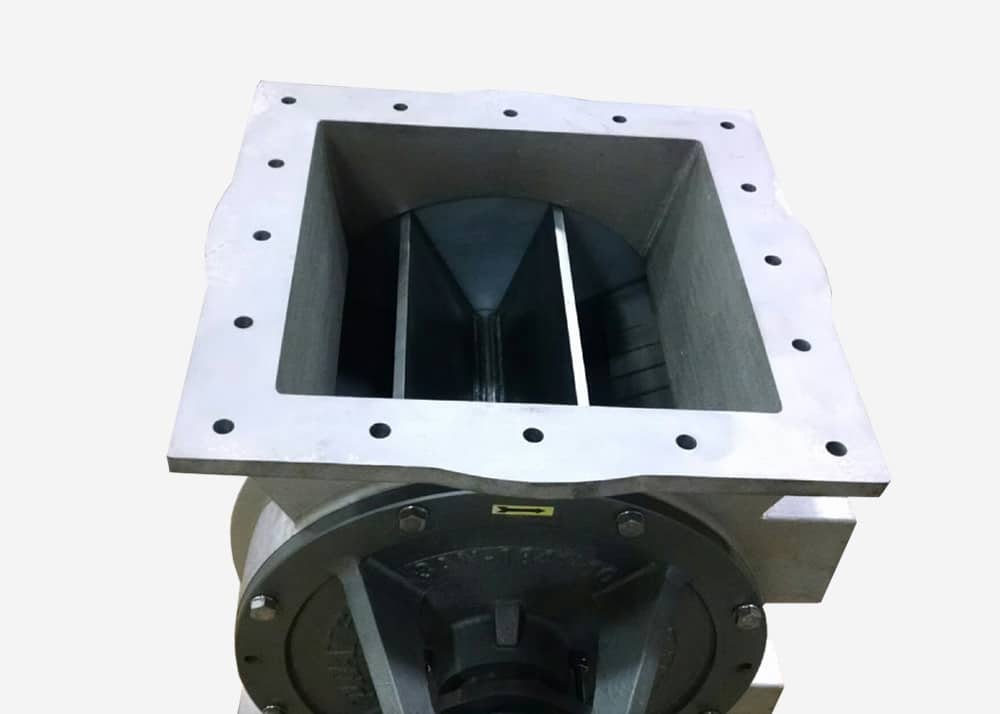
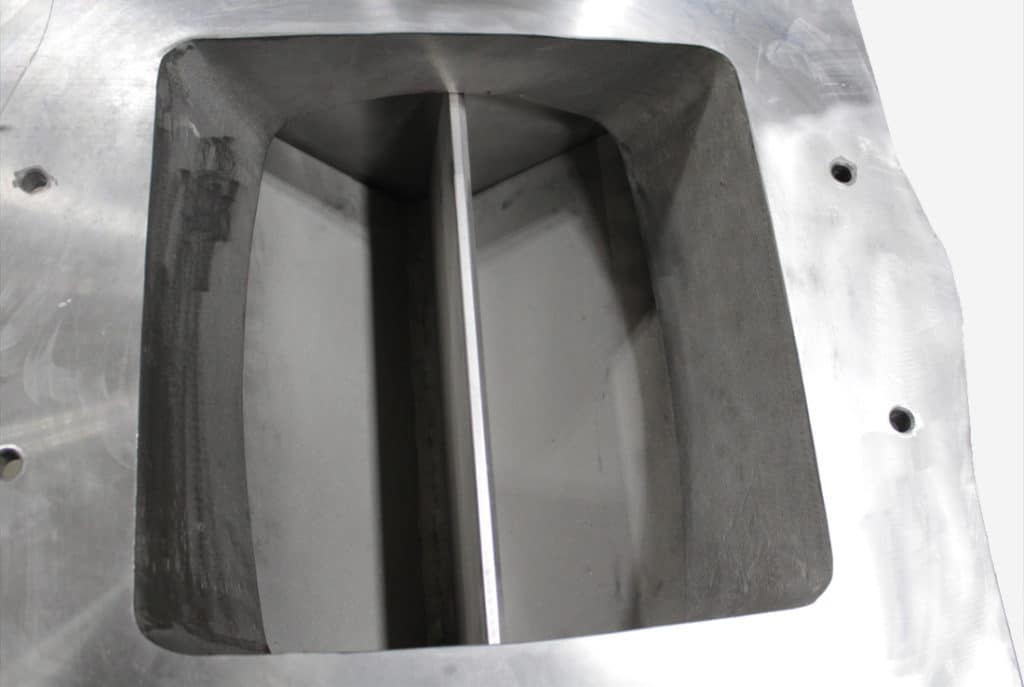
Heavy-Duty PAV Rotary Airlock Valve for Pneumatic Conveying Systems
Bulk material processing systems that operate under pressure differentials require rotary valves capable of maintaining a reliable air seal while continuously transferring material. The Prater Heavy-Duty PAV Series Rotary Airlock Valve is engineered specifically for these demanding applications, allowing dry bulk materials to discharge from storage bins or hoppers into pneumatic conveying lines without significant pressure loss.
Constructed from heavy-duty cast iron or stainless steel, the valve maintains structural stability and tight machining tolerances even under high operating loads. The PAV Series can operate with pressure differentials of up to approximately ±12–15 PSI and temperatures up to 500°F with standard components, making it suitable for demanding industrial environments.
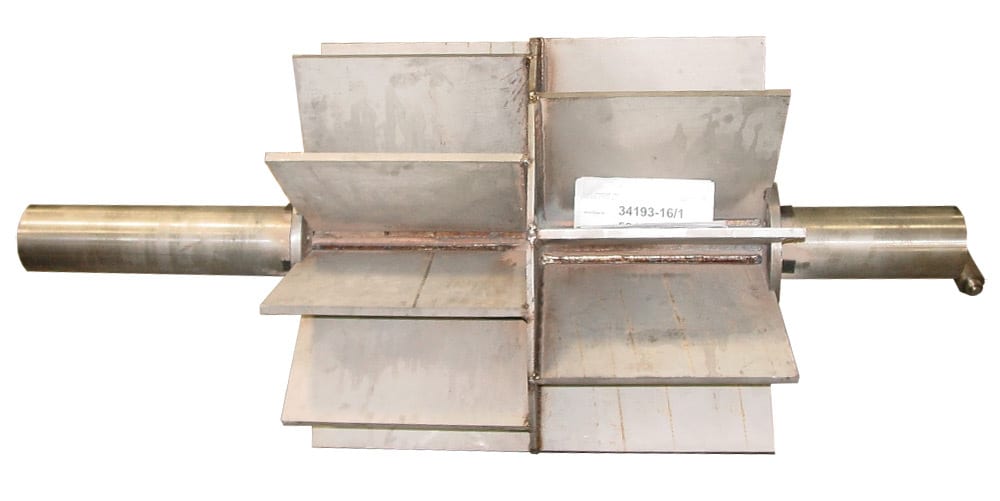
Available in multiple sizes ranging from 6-inch square units to large rectangular models, the valve supports high-capacity material transfer in industries such as food processing, minerals, chemicals, and plastics manufacturing. With precision-machined rotors, rugged housings, and optional coatings for abrasive or corrosive materials, the Heavy-Duty PAV Series provides reliable air sealing and long service life in pneumatic conveying systems.
Request a Custom Quote
Share your requirements, and our engineers will deliver a customized recommendation with pricing and lead times.
FEATURES AND BENEFITS
Up to 500° F with standard components
Up to +/- 12 PSI pressure differential
Cast Iron or stainless steel construction
Chain drive gear-motors (choice of speed)
Available in nine convenient sizes
HEAVY DUTY PAV SERIES ROTARY AIRLOCK VALVE LITERATURE
Contact Prater about our Heavy-Duty PAV Series, or any of our other rotary airlocks, today. Our professional team can provide you with a personalized estimate or you can simply make contact to discover all of the benefits of using our expertly designed rotary airlocks.
Below are some options for our HD PAV Series rotors. Other options are available as well, contact an airlock expert to explore your options!
STANDARD NON-BEVELED
BEVELED
WIPERS & REDUCED POCKET
SPLIT POCKET
Frequently Asked Questions
Why are heavy-duty rotary airlock valves required for pneumatic conveying systems? Pneumatic conveying systems operate under pressure differentials that can force air through standard valves. Heavy-duty rotary airlocks are designed with tighter tolerances and stronger housings to maintain an effective air seal while continuously feeding material into the conveying line.
What operating pressure can the PAV Series rotary airlock handle? The Heavy-Duty PAV Series is designed to operate at pressure differentials of approximately ±12 to ±15 PSI, which allows it to maintain air sealing in many pneumatic conveying applications.
How does rotor design affect airlock sealing performance? Precision-machined rotors with multiple vanes create several sealing points between the rotor and housing. This configuration helps minimize air leakage while maintaining consistent material feed rates.
When should a heavy-duty rotary valve be selected instead of a standard airlock? Heavy-duty valves are typically chosen when the system includes pneumatic conveying lines, high temperature environments, or larger storage bins where pressure differential and material flow rates exceed the capabilities of standard dust-collector airlocks.
What materials can be processed through a Heavy-Duty PAV airlock? The valve is commonly used to handle dry, free-flowing bulk materials such as baking soda, sugar, wood chips, cement, kaolin clay, soybean meal, and polymer resins in bulk material processing systems.
NOT SURE WHAT SIZE AIRLOCK YOU NEED?
Try our Airlock Size Recommendation Tool: answer a few simple questions and we’ll provide a recommendation on what size airlock to use.
The PAV-Series rotary airlock valve can be used for many different materials and specific applications, including baking soda, wood chips, lactose, zinc oxide, kaolin clay, fish meal, donut mix, polymer resin, nickel oxide, sugar, cement, soybean meal and many others such as the following: